Material Removal Coordinated With Site Work
Hauling Services in Buchanan for excavated soil, clearing debris, and site cleanup material requiring offsite transport
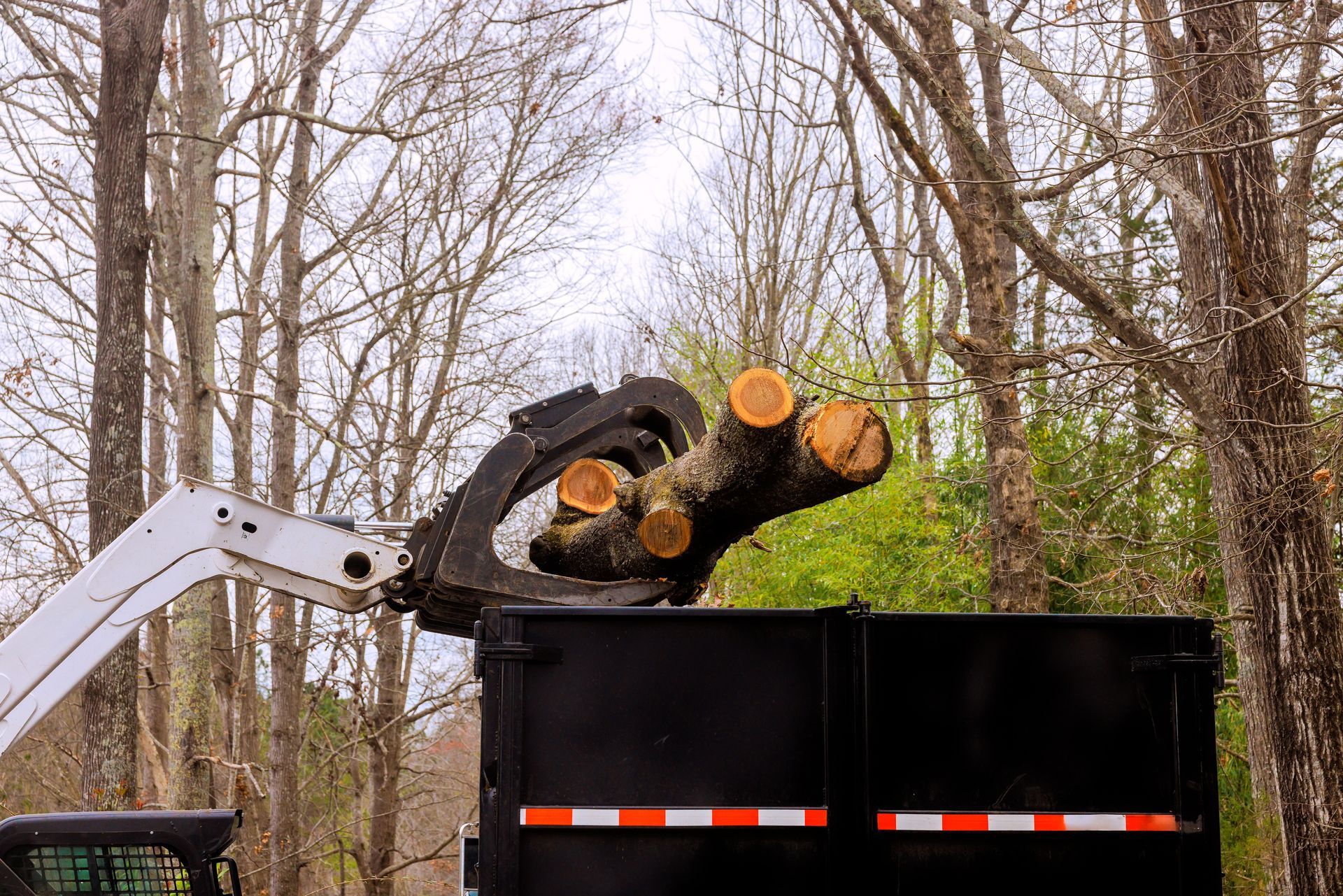
Excavation and clearing projects generate material volumes that exceed onsite storage capacity or reuse needs, requiring transport to disposal sites or alternate locations. Pollard Land Management LLC provides hauling for excavated soil, vegetation debris, and site cleanup material across Buchanan, Cedartown, Carrollton, and Dallas, with reach into Alabama near Anniston when project size justifies extended transport. Seasonal fuel price volatility affects hauling cost as diesel fluctuations directly impact per-load economics, while winter ground freeze limits heavy haul operations when frozen soil prevents equipment from accessing material stockpiles or navigating unpaved routes without damage.
Hauling integrates with excavation and land clearing work performed on the same site, eliminating coordination delays that occur when third-party hauling subcontractors must schedule separately from earthwork phases. This integration allows material removal to occur immediately after excavation or clearing completes, preventing debris piles from obstructing subsequent work phases or creating safety hazards when other trades arrive on-site. iPad-based dispatch coordinates equipment transport and material hauling logistics, tracking load counts and disposal locations to maintain project documentation.
Request a hauling estimate based on material type, volume, and disposal requirements for your excavation or clearing project.
How Integrated Hauling Prevents Project Delays
Hauling services coordinated with excavation and clearing work prevent the common delay pattern where earthwork completes but debris remains onsite for days or weeks awaiting separate hauling contractor availability. Heavy equipment transport capability means machinery used for excavation also handles material loading, reducing double-handling where material is stockpiled, then moved again for truck loading. This efficiency matters most on commercial projects where construction schedules impose firm deadlines and debris remaining onsite blocks access for trades scheduled to begin structural work.
After hauling completes, you'll see cleared sites free of debris piles that previously obstructed equipment movement or worker access, graded surfaces ready for the next construction phase without material removal creating additional cleanup steps, and disposal documentation confirming material arrived at appropriate facilities rather than unauthorized dump sites. Integrated hauling also eliminates disputes about who handles material removal when excavation and hauling involve separate contractors with unclear scope boundaries.
Service territory for hauling extends across Paulding County and Douglas County, with selective reach into Alabama when project scale justifies fuel costs and drive time for multiple loads. Winter ground conditions limit hauling operations when frozen or saturated soil prevents trucks from accessing material stockpiles without creating ruts that require regrading. Fuel price changes affect per-load cost, so hauling estimates account for current diesel rates rather than fixed pricing that becomes unsustainable during price spikes.
Typical Hauling Questions From Property Owners
Hauling cost and logistics depend on material type, transport distance, and disposal site requirements that vary between soil, vegetation debris, and construction waste.
What determines hauling cost per load?
Material weight, transport distance to disposal site, fuel prices at project time, and disposal fees all contribute to per-load cost—clay soil weighs more than sandy loam, longer hauls increase fuel consumption, and certain disposal facilities charge tipping fees based on material type.
How does integrated hauling differ from hiring separate debris removal?
Integrated hauling eliminates scheduling delays where excavation completes but material remains onsite awaiting separate contractor availability, and prevents scope disputes about who handles loading and transport when earthwork and hauling involve different companies.
Why does winter ground freeze affect hauling operations in West Georgia?
Frozen soil between late December and early March limits truck access to material stockpiles, and weight of loaded hauling equipment creates ruts in saturated ground during thaw periods, so hauling concentrates during months when ground conditions support heavy equipment travel without site damage.
What happens to excavated soil and clearing debris after transport?
Material disposal depends on type—clean soil may be delivered to fill sites needing material, vegetation debris goes to composting or mulch facilities, and mixed construction waste requires sorting at disposal sites to separate recyclable components from landfill material.
How does iPad-based dispatch improve hauling coordination?
Digital tracking documents load counts, disposal locations, and timestamps for material transport, providing project records that verify cleanup completion and support billing transparency when per-load pricing depends on accurate volume measurement.
Pollard Land Management LLC coordinates hauling with excavation and clearing projects to prevent debris accumulation that delays construction schedules. Call (770) 713-0972 to discuss material volume, disposal needs, and hauling logistics for your site work project.